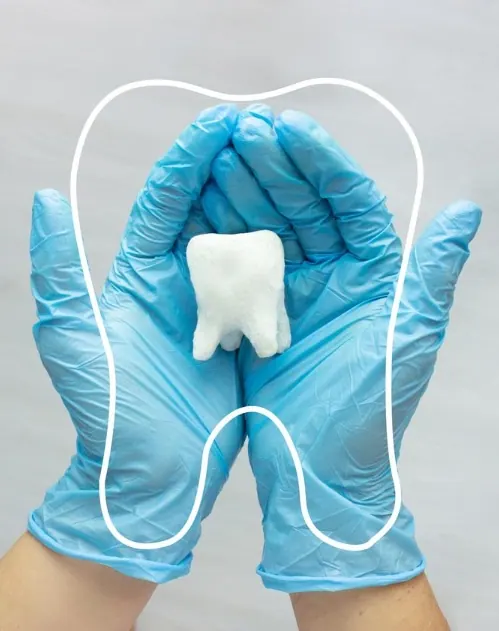
Dental Scaling
Dental scaling:
caring for your teeth for lasting health
- Thorough, deep cleaning of the teeth
- Prevents gum disease and tooth decay
- Suitable for all age groups
Get in touch
+98 21 2203 4006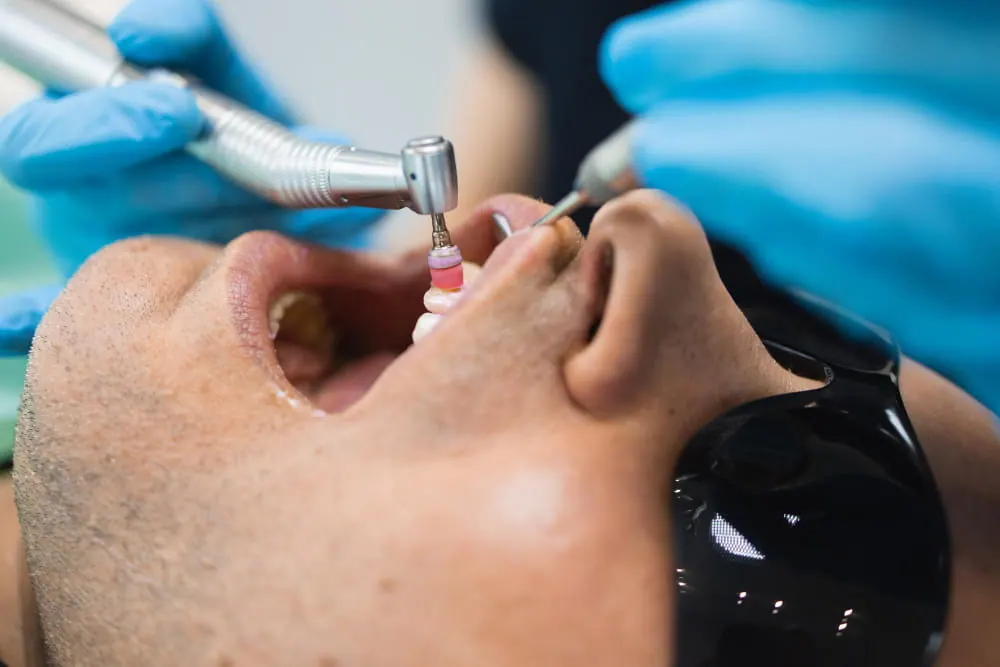
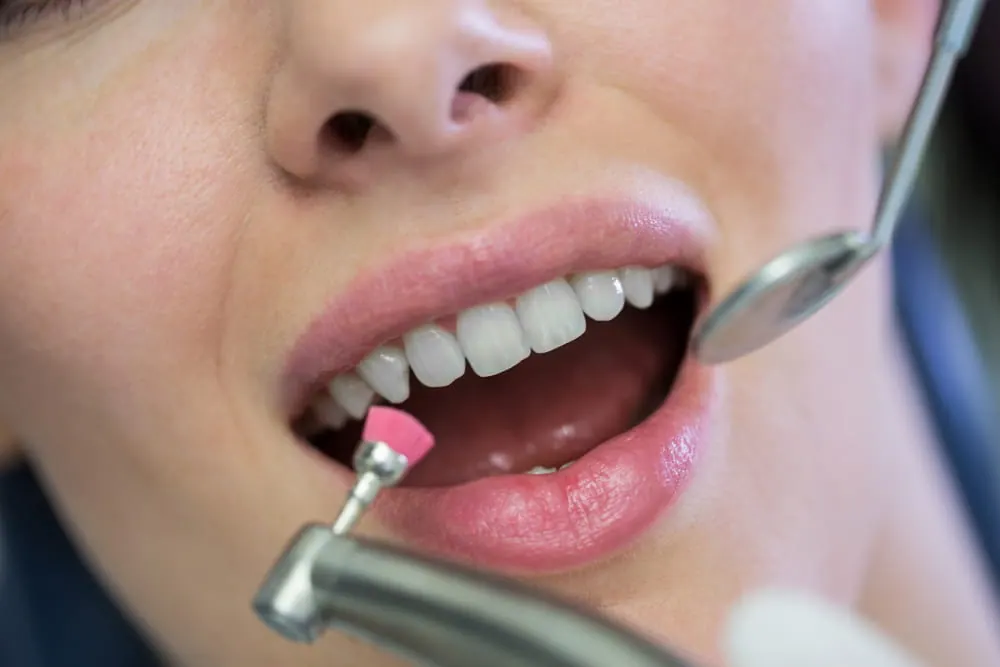
What is scaling and why is it done?
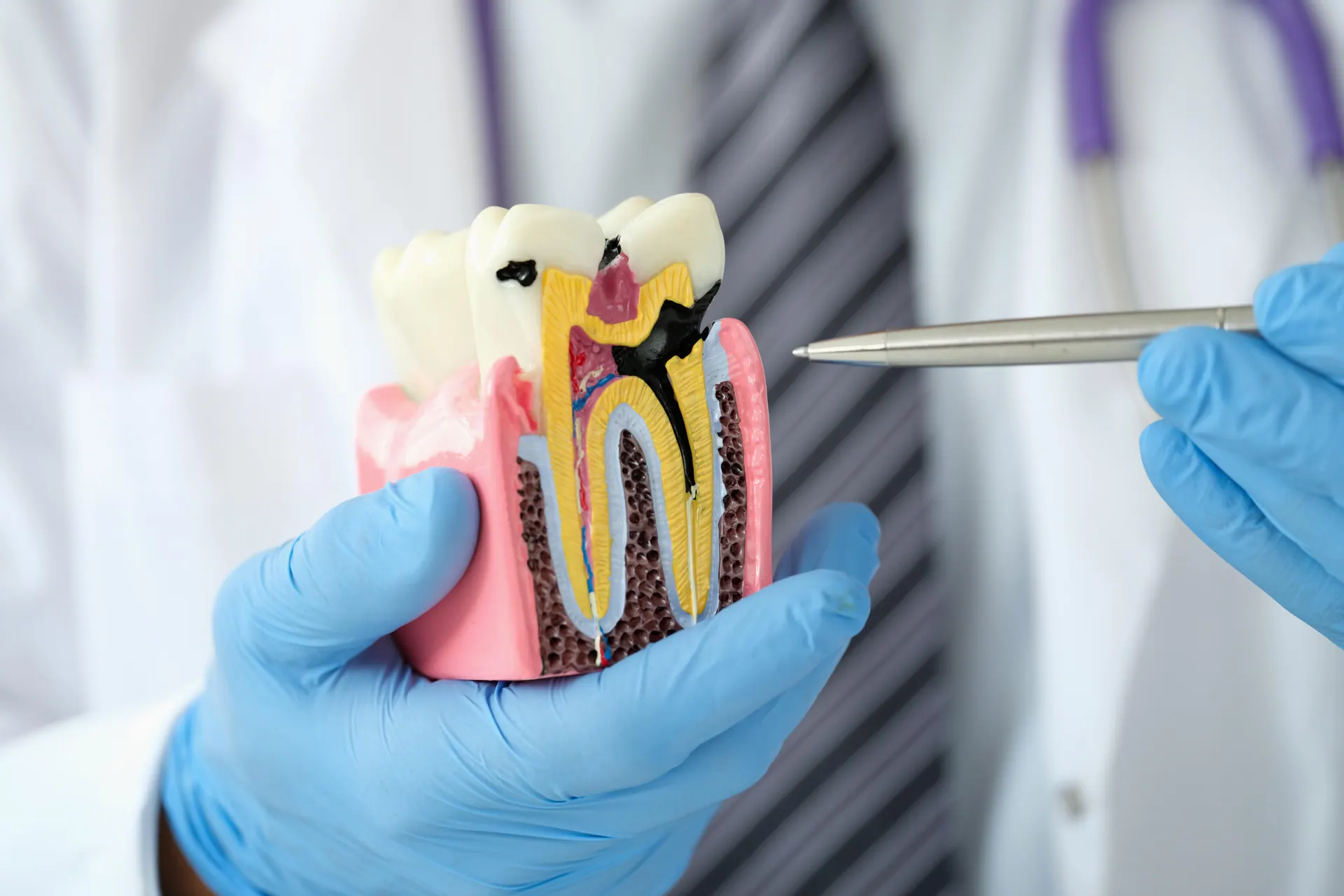
Dental scaling is a specialist procedure that removes the hardened plaque and deposits that form on the surfaces of the teeth and below the gum line. Once plaque has gradually turned into tartar, it can no longer be removed with a toothbrush or floss and can cause inflammation, bleeding gums and periodontal disease. Scaling with professional equipment reduces inflammation, improves breath and prevents bone loss. If you have bleeding gums or discoloured teeth, you probably need scaling.
Patient Reviews

Shahrooz Ebrahimi
Actor
Oral health matters a great deal to me, so I always try to choose a clinic that gives me a sense of safety and confidence. Dr. Ebadian's clinic gave me exactly that feeling.

Masoud Foroutan
Actor
I visited Dr. Ebadian's clinic for my dental treatment and was impressed by the high quality of care and the very pleasant environment. I am completely satisfied with the final result.

Danial Hakimi
Actor
With sincere respect and gratitude, I thank Dr. Ebadian, his esteemed colleagues and all of the clinic's staff for creating such a professional and welcoming atmosphere. I wish you all continued success.
When do you need a deep clean?
When the depth of the gum pockets increases or the gums start to become inflamed and recede, a routine scale is not enough and a deep clean is needed. In this case the dentist examines and measures the gum pockets to see whether bacteria have penetrated below the gum. Signs such as bad breath, persistent bleeding of the gums and bone loss show that a deep clean is needed. Acting in good time can stop gum disease from progressing.
Scaling and deep cleaning, step by step
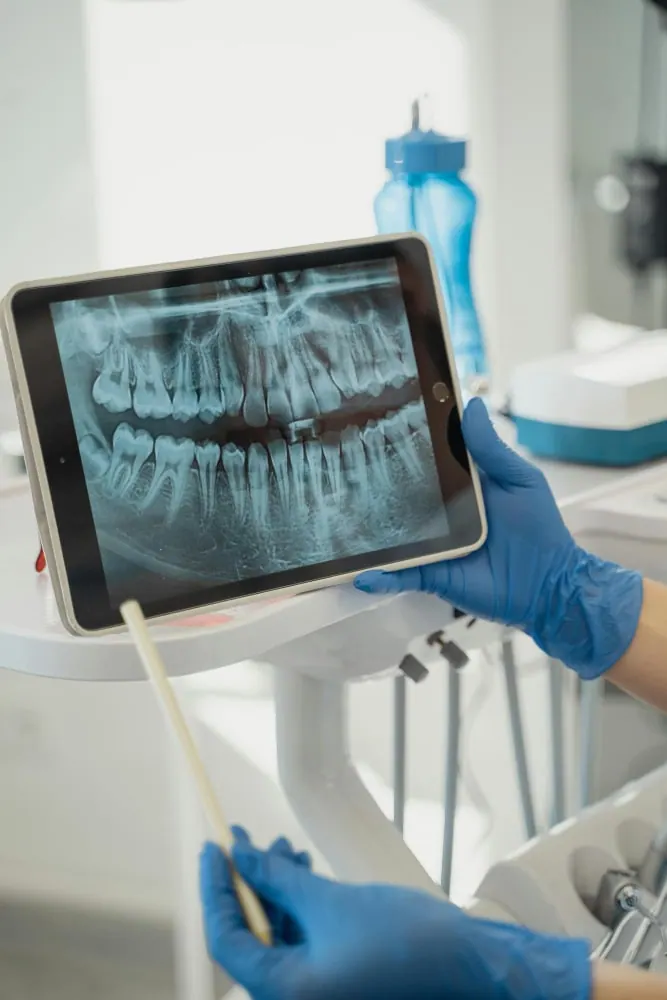
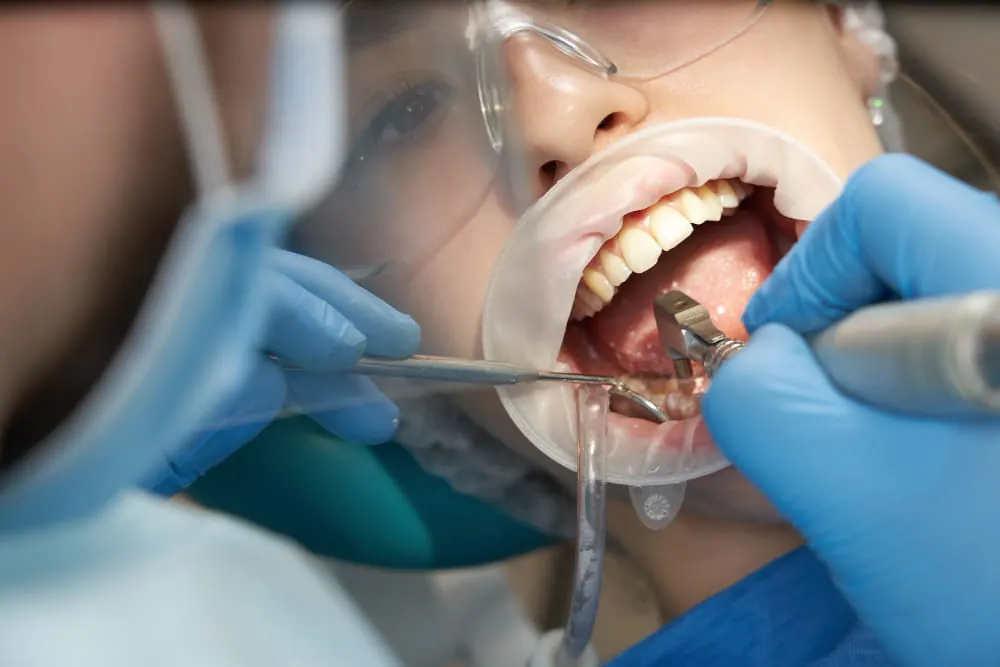
First there is a full examination and X-rays to check the amount of tartar, the condition of the gums and the depth of the pockets. The dentist then carefully removes deposits above and below the gum line using hand instruments or ultrasonic equipment. If necessary the root surface is smoothed and polished so that the gum can reattach to the tooth. A deep clean is often carried out over one or two visits. Anaesthetic is used where sensitivity is high to make treatment more comfortable.
Why Choose Dr. Ebadian's Clinic
Premium Materials
We use high-quality, clinically tested dental products for every treatment and procedure, so you get the best results and the highest level of safety.
Safety Standards
Strict hygiene protocols at every stage of treatment protect you and keep the risk of complications or infection to a minimum.
Flexible Scheduling
Convenient appointment times make it easy to fit your treatment into your daily routine.
Expert Specialists
Our experienced specialists bring years of dental expertise to provide personalised, safe care.
Advanced Technology
Modern, innovative dental equipment allows us to deliver more effective, faster treatment with more visible results.
Personalised Care
Every treatment is designed around your individual needs and goals, so your smile is always at its best.
Our Work
Possible complications and why the choice of specialist matters
If a deep clean is carried out by someone who is not a specialist, or with unsuitable instruments, the root of the tooth may be damaged or the gum may become more inflamed. An experienced dentist and standard equipment are essential for this treatment. People with gum disease, diabetes or a history of smoking are more prone to gum problems and need closer care. Having scaling at regular intervals plays an important part in preventing tartar from returning.
Advantages of a deep clean over routine scaling
Unlike ordinary scaling, a deep clean removes deposits and bacteria from deep in the gum pockets and stops gum disease from progressing. It reduces inflammation, firms up the gums, prevents bone loss and improves breath. In many cases, a deep clean carried out in good time means the patient does not need gum surgery. It is one of the most important steps in keeping your teeth for the long term.
Aftercare following scaling
After scaling your gums may be slightly sensitive, which usually settles within a few days. Good oral hygiene, a soft toothbrush, floss and any mouthwash your dentist prescribes are very important. For a few days avoid very hard food and heavily staining drinks such as tea and coffee. Smokers usually get weaker results, so it is best to cut down on tobacco.
Dr. Ebadian's Clinic
If you want to correct your teeth and smile in the best possible way, a scaling consultation can determine the most suitable treatment for you.
Frequently Asked Questions
+−Is a deep clean painful?
In most cases treatment is carried out under anaesthetic and is not very painful; there may be a little sensitivity afterwards, which usually fades within a few days.
+−How often should I have my teeth scaled?
For healthy people once every 6 months is enough, but if there is gum disease or a lot of tartar build-up, every 3 to 4 months may be recommended. The dentist makes the final decision.
+−Does scaling loosen the teeth?
No, scaling does not loosen teeth. In fact tartar and inflamed gums cause bone loss, and removing the tartar reveals the true condition of the tooth. Scaling helps to save the tooth.
+−Does scaling get rid of bad breath?
Yes. One of the main causes of bad breath is deposits below the gum line. After scaling the bacteria are reduced and bad breath usually improves within a few days.
+−What should I eat after scaling?
In the first few hours eat soft food and avoid very hot or hard food. Once the sensitivity has gone down you can return to your normal diet.