Maxillofacial Surgery
Maxillofacial surgery:
restoring function and appearance
- Correction of jaw abnormalities
- Reconstructive and cosmetic facial surgery
- Better chewing and breathing
Get in touch
+98 21 2203 4006
What is maxillofacial surgery?
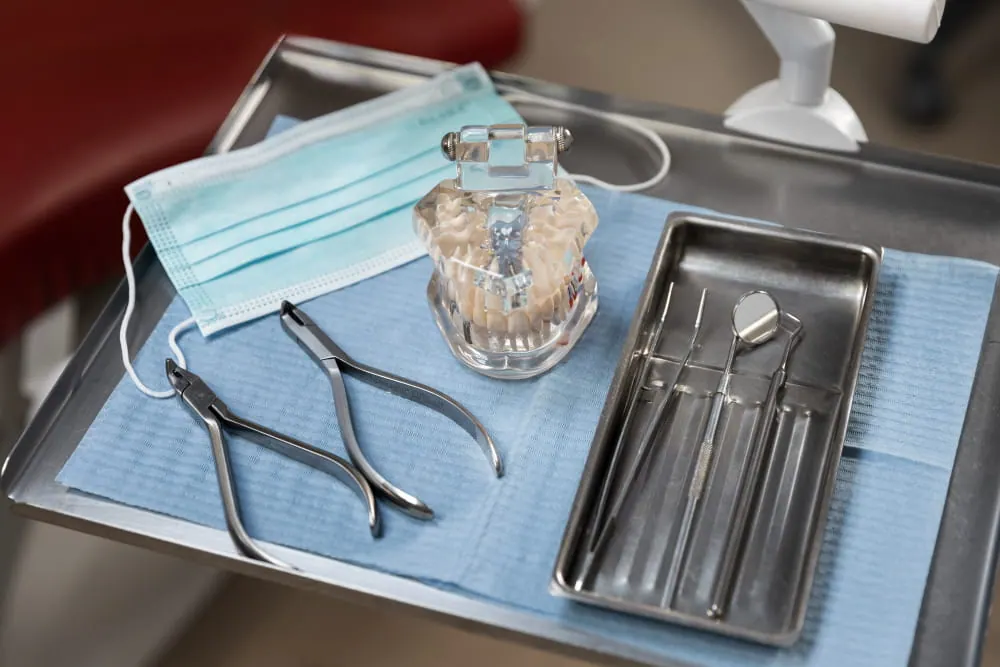
Maxillofacial surgery is a specialist branch of dentistry and medicine concerned with diagnosing and treating problems of the jawbones, the jaw joint, the face and the mouth. Treatment includes correcting jaw abnormalities, rebuilding bone, treating fractures, removing tumours and cosmetic surgery of the jaw and chin. The aim is to improve chewing, speech and breathing and to correct the proportions of the face. A highly skilled maxillofacial surgeon can treat complex problems of the facial structures with a scientific and safe approach. If you have trouble with chewing, your bite or the look of your jaw, this speciality is the most suitable route to treatment.
Patient Reviews
Shahrooz Ebrahimi
Actor
Oral health matters a great deal to me, so I always try to choose a clinic that gives me a sense of safety and confidence. Dr. Ebadian's clinic gave me exactly that feeling.

Masoud Foroutan
Actor
I visited Dr. Ebadian's clinic for my dental treatment and was impressed by the high quality of care and the very pleasant environment. I am completely satisfied with the final result.

Danial Hakimi
Actor
With sincere respect and gratitude, I thank Dr. Ebadian, his esteemed colleagues and all of the clinic's staff for creating such a professional and welcoming atmosphere. I wish you all continued success.
When do you need a maxillofacial surgeon?
Jaw surgery becomes necessary in cases such as severe crowding of the teeth, a protruding or receding jaw, bite problems, jaw joint pain, fractures and facial injuries. People planning an implant who do not have enough bone usually need jaw reconstruction too. Congenital problems such as cleft lip, skeletal abnormalities or breathing disorders are also common reasons for seeing a maxillofacial surgeon. A careful assessment and 3D imaging help determine how much surgery is needed. If you have had pain or restricted movement in your jaw or mouth for some time, a specialist assessment is essential.
Specialist treatment by a maxillofacial surgeon, step by step
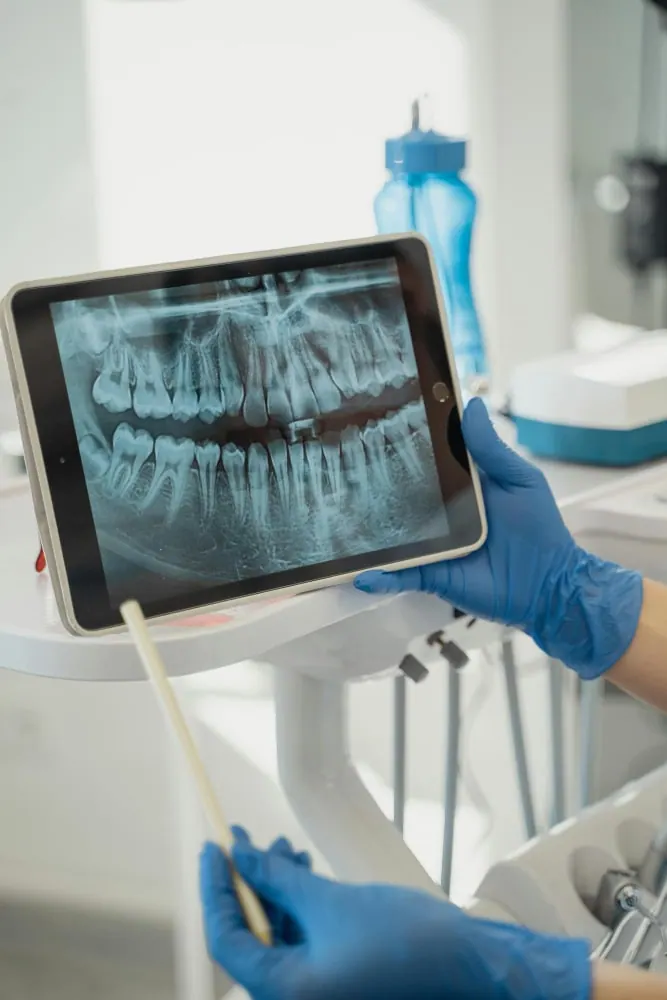
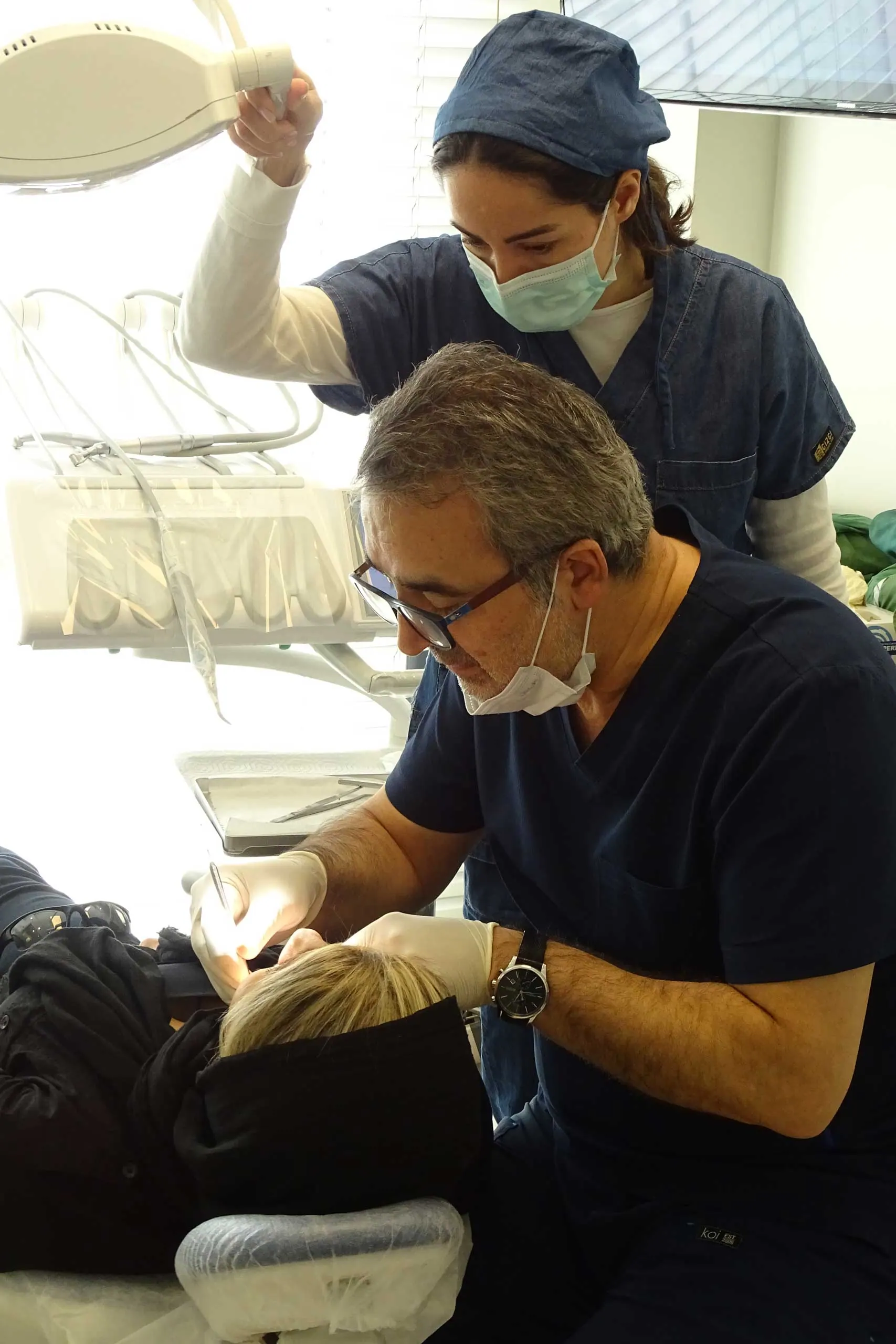
First, the condition of the jaws, teeth and facial bones is assessed by examination, X-rays and specialist scans. A treatment plan is then designed to suit the problem. Depending on need, surgery may involve repositioning the jaw, rebuilding bone, releasing the joint, removing a tumour or reshaping the chin. Treatment is usually carried out under local or general anaesthetic, followed by a recovery period with specific aftercare. The patient's cooperation in following post-operative instructions plays an important part in the final result.
If you have jaw problems, pain when chewing or an abnormality, a specialist consultation with a maxillofacial surgeon can determine the best path of treatment for you.
Why Choose Dr. Ebadian's Clinic
Premium Materials
We use high-quality, clinically tested dental products for every treatment and procedure, so you get the best results and the highest level of safety.
Safety Standards
Strict hygiene protocols at every stage of treatment protect you and keep the risk of complications or infection to a minimum.
Flexible Scheduling
Convenient appointment times make it easy to fit your treatment into your daily routine.
Expert Specialists
Our experienced specialists bring years of dental expertise to provide personalised, safe care.
Advanced Technology
Modern, innovative dental equipment allows us to deliver more effective, faster treatment with more visible results.
Personalised Care
Every treatment is designed around your individual needs and goals, so your smile is always at its best.
Our Work
The benefits of maxillofacial surgery
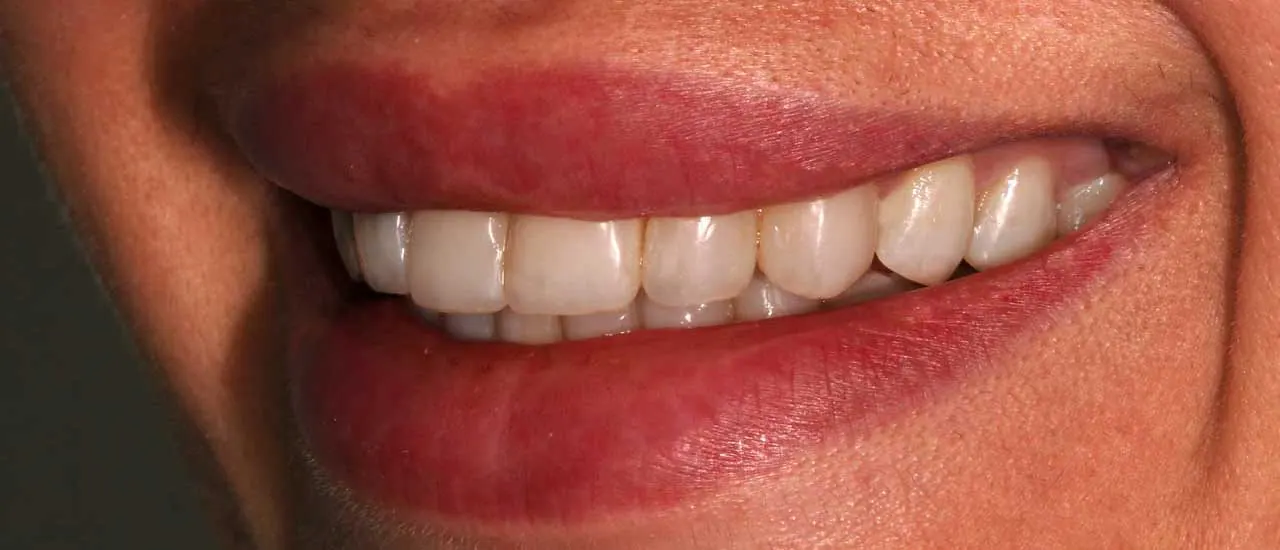
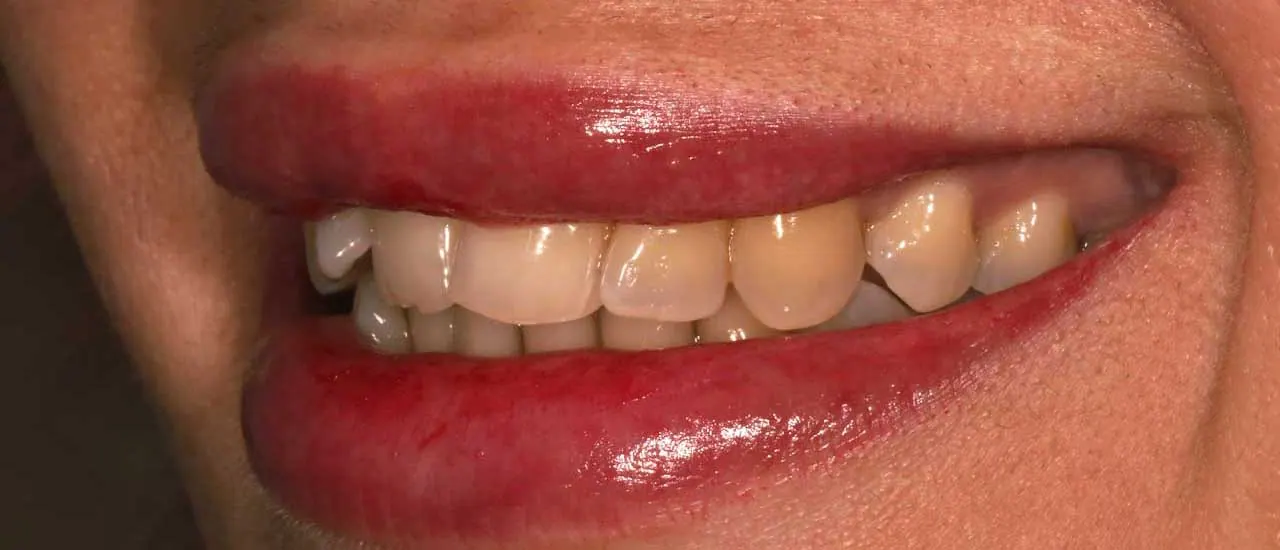
This surgery can considerably improve the function of the mouth, the bite and chewing, and can even relieve breathing problems or jaw joint pain. Aesthetically, bringing the jaws into harmony with the face gives better facial proportions and more confidence. Together with orthodontics, jaw surgery can create a more natural smile, better shaped lips and chin and a more balanced profile. For patients who have been injured in an accident, jaw reconstruction plays a vital part in restoring normal function. The final success depends on the choice of specialist and a careful assessment.
How do you choose the best maxillofacial surgeon?
The right surgeon is chosen on the basis of their specialism, experience, past work, the treatment methods they use and the clinic's equipment. Key factors are a review of previous cases, patient feedback, specialist qualifications and the ability to give a clear treatment plan. An experienced surgeon must be able to manage functional and cosmetic concerns together. Good communication with the patient, a full explanation of the treatment and safe solutions are also signs of professionalism. If you have decided to go ahead, an initial consultation is the best place to start.
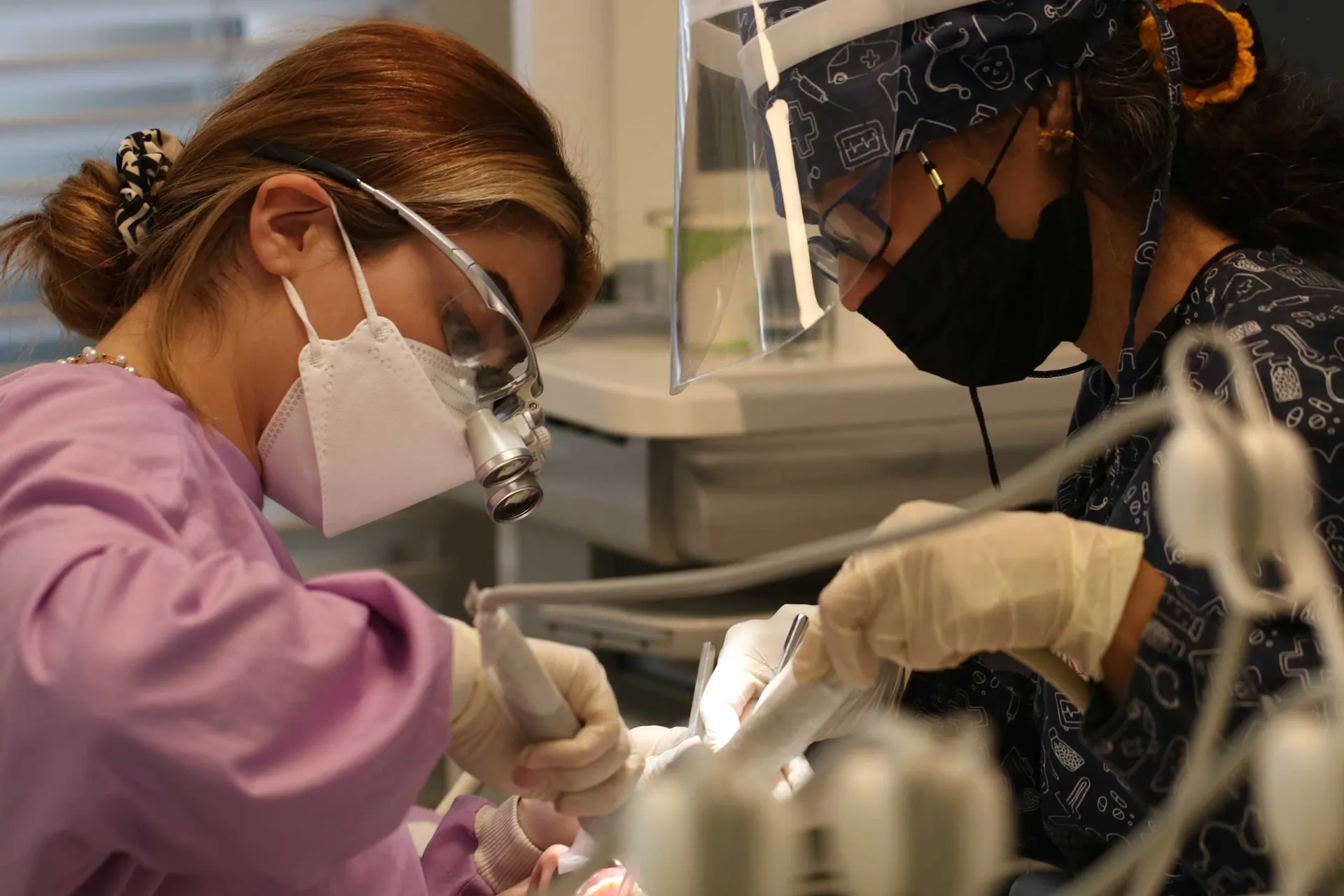
Aftercare following maxillofacial surgery
After jaw surgery you may notice swelling, bruising or limited mouth opening, which is normal and usually eases over a few days. Taking the prescribed medication, keeping to a soft diet and avoiding pressure on the jaw in the first few days are very important. Oral hygiene should be maintained gently to prevent infection.
Dr. Ebadian's Clinic
If you want to correct your teeth and smile in the best possible way, a maxillofacial surgery consultation can determine the most suitable treatment for you.
Frequently Asked Questions
+−Is jaw surgery very painful?
The surgery is usually carried out under general or local anaesthetic and you feel no pain during it. Some swelling and discomfort afterwards is normal and is controlled with medication. Following the aftercare advice reduces discomfort.
+−How long is recovery after jaw surgery?
The initial recovery takes about two to four weeks, but complete healing of the bone can take several months. Each person is different, and regular follow-up is essential to monitor healing.
+−Is jaw surgery only for cosmetic reasons?
No. Many of these operations are carried out to correct chewing function, bite problems or jaw joint pain, or to repair injury. Cosmetic improvement of the jaw is only one of the secondary benefits.
+−Can I carry on with normal activities after jaw surgery?
In the first few days you need complete rest and should avoid heavy or contact activity. As healing progresses and your specialist agrees, you can return to activities gradually. Proper aftercare speeds up recovery.
+−Is jaw surgery suitable for everyone?
General health, bone quality and the condition of the gums and teeth all affect the decision. Some people need additional treatment first and can have surgery afterwards. A specialist consultation will decide the best method.