Bone Graft Surgery
Bone graft surgery:
a reliable foundation for lasting treatment
- Precise rebuilding of the jawbone
- Safe preparation for implants
- Performed by a maxillofacial specialist team
Get in touch
+98 21 2203 4006
What is a bone graft and why is it done?
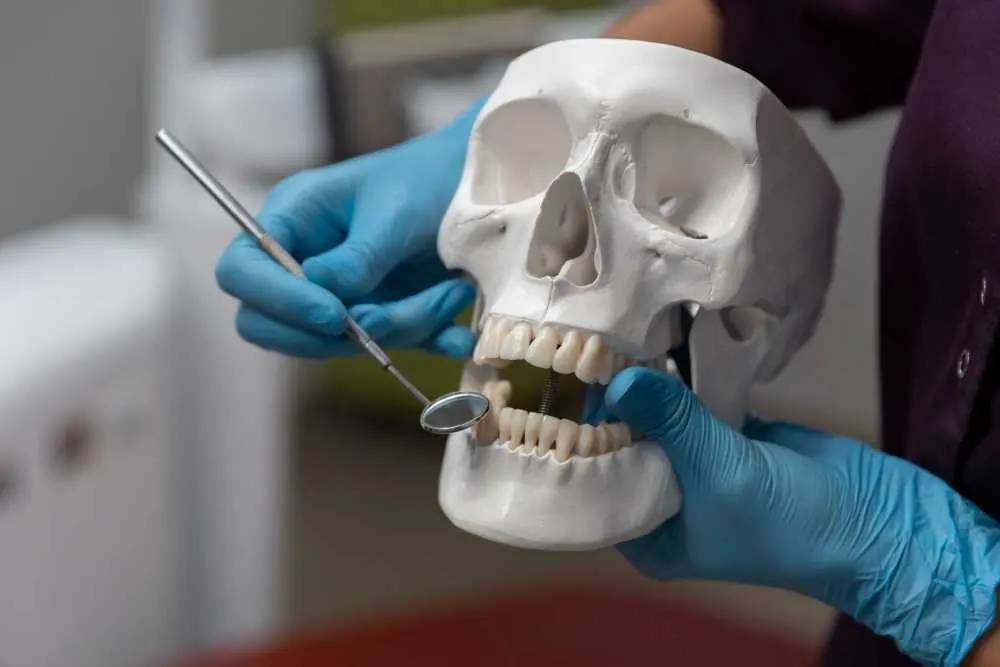
Bone graft surgery is a specialist way to rebuild and strengthen the jawbone when there is not enough bone volume or density for treatment such as an implant. Bone loss can result from tooth loss, gum infection, injury or bone disease. A graft, made from natural or synthetic material, rebuilds the structure of the jaw. It strengthens the site and creates a suitable foundation for further treatment. If your jawbone is not strong enough, a bone graft may be the best option.
Patient Reviews

Shahrooz Ebrahimi
Actor
Oral health matters a great deal to me, so I always try to choose a clinic that gives me a sense of safety and confidence. Dr. Ebadian's clinic gave me exactly that feeling.

Masoud Foroutan
Actor
I visited Dr. Ebadian's clinic for my dental treatment and was impressed by the high quality of care and the very pleasant environment. I am completely satisfied with the final result.

Danial Hakimi
Actor
With sincere respect and gratitude, I thank Dr. Ebadian, his esteemed colleagues and all of the clinic's staff for creating such a professional and welcoming atmosphere. I wish you all continued success.
When do you need bone graft surgery?
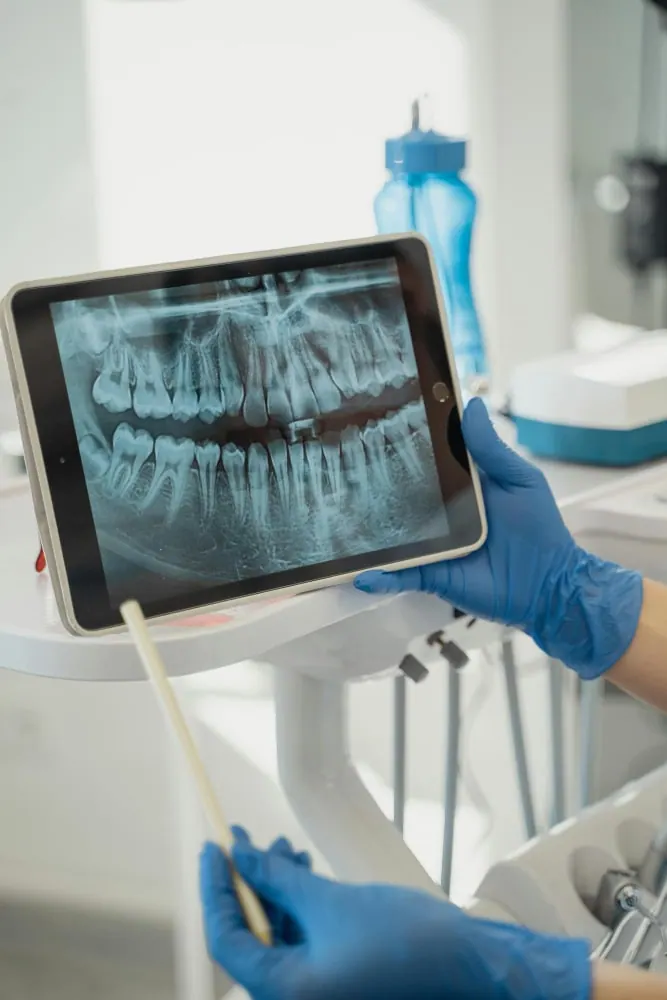
People with severe bone loss after a tooth extraction, or whose tooth was lost a long time ago, usually need a bone graft. The surgery is also essential for anyone planning an implant who does not have enough bone density. Severe gum disease, chronic infection or physical injury can also reduce the volume of the jawbone. The type and amount of graft needed are decided after careful examination and X-rays. If a specialist finds there is not enough bone for an implant, a bone graft will be a necessary stage of your treatment.
The bone graft procedure, step by step
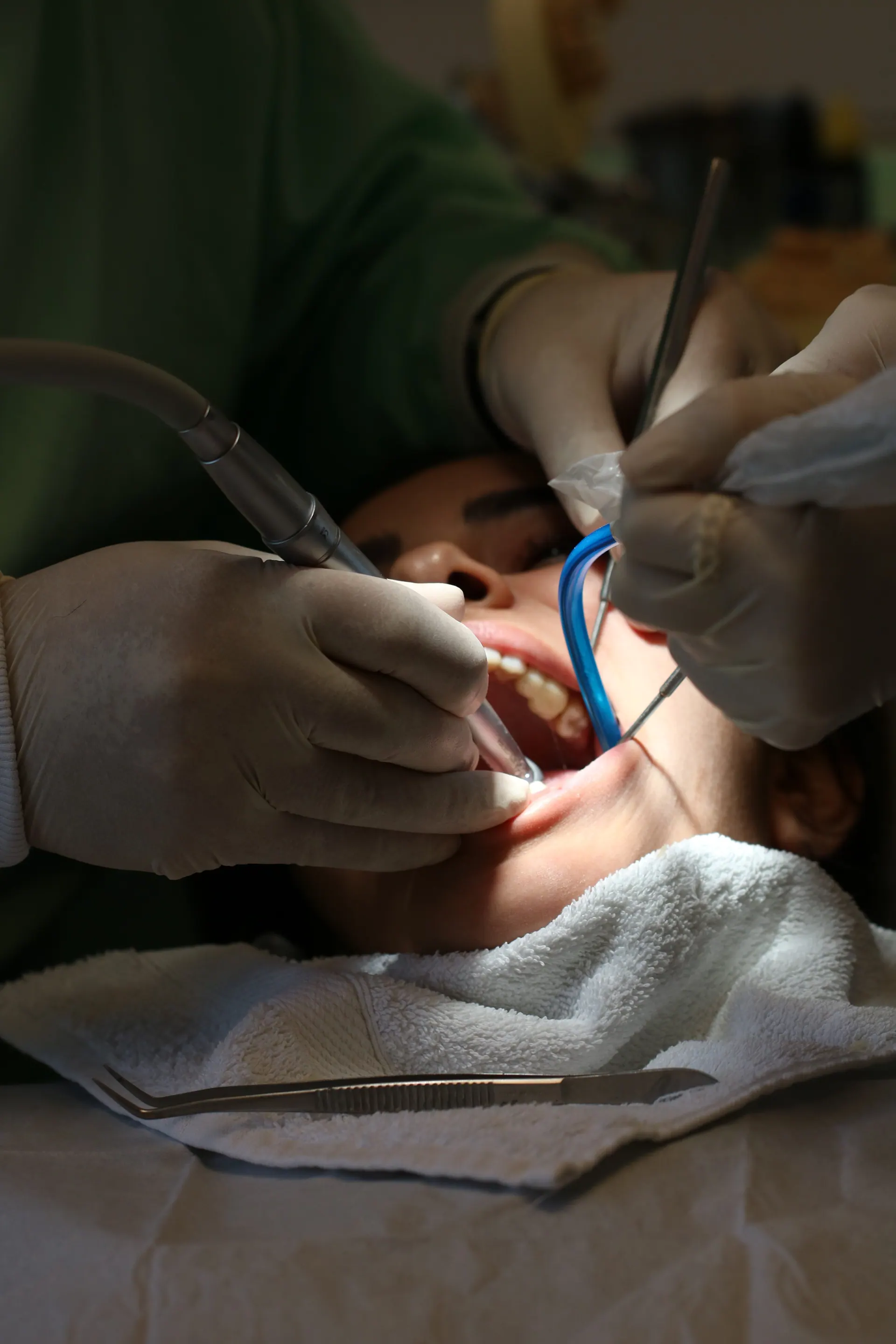
First, the bone and surrounding tissue are assessed with X-rays and a clinical examination. Under local anaesthetic, the gum is moved aside and the graft material is placed where the bone has been lost. The material may come from the patient's own body, from human or animal sources, or be synthetic, chosen according to need. After the graft is placed, the area is carefully sutured to hold the material in place. Over the following months the graft fuses with the jawbone, providing a solid base for an implant or similar treatment.
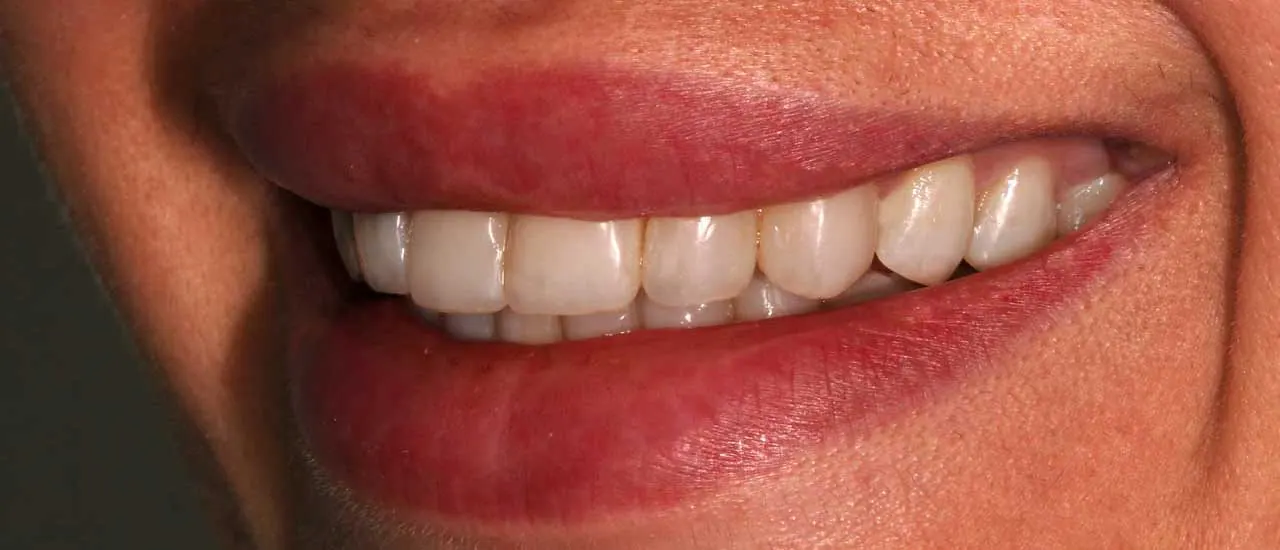
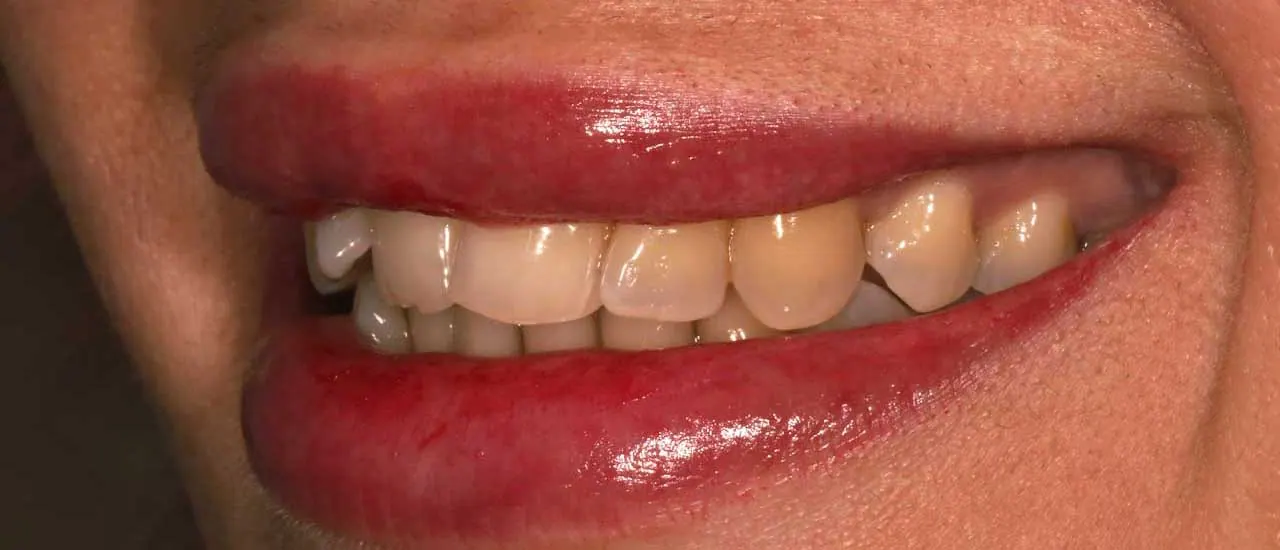
Why Choose Dr. Ebadian's Clinic
Premium Materials
We use high-quality, clinically tested dental products for every treatment and procedure, so you get the best results and the highest level of safety.
Safety Standards
Strict hygiene protocols at every stage of treatment protect you and keep the risk of complications or infection to a minimum.
Flexible Scheduling
Convenient appointment times make it easy to fit your treatment into your daily routine.
Expert Specialists
Our experienced specialists bring years of dental expertise to provide personalised, safe care.
Advanced Technology
Modern, innovative dental equipment allows us to deliver more effective, faster treatment with more visible results.
Personalised Care
Every treatment is designed around your individual needs and goals, so your smile is always at its best.
Our Work
How a bone graft benefits later treatment
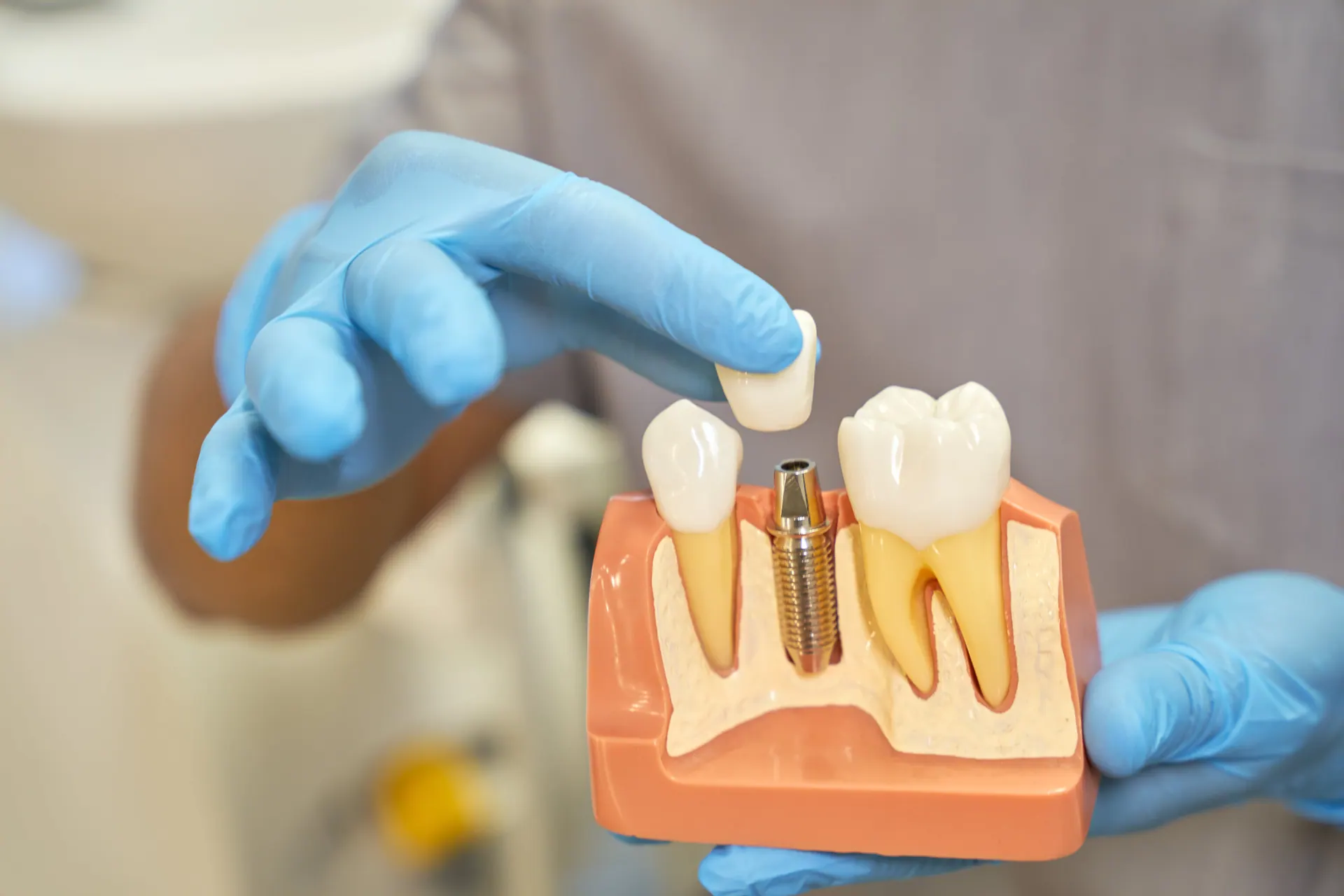
A bone graft makes specialist treatment such as implants possible where there is not enough bone. It increases bone strength and volume and creates a natural, stable bed for the implant. It also helps improve the shape of the jaw and prevents further bone loss. Grafting before an implant raises the success rate and lifespan of the implant. For patients who want a stable, high-standard result, this treatment is an important and necessary step.
Possible complications and why the choice of specialist matters
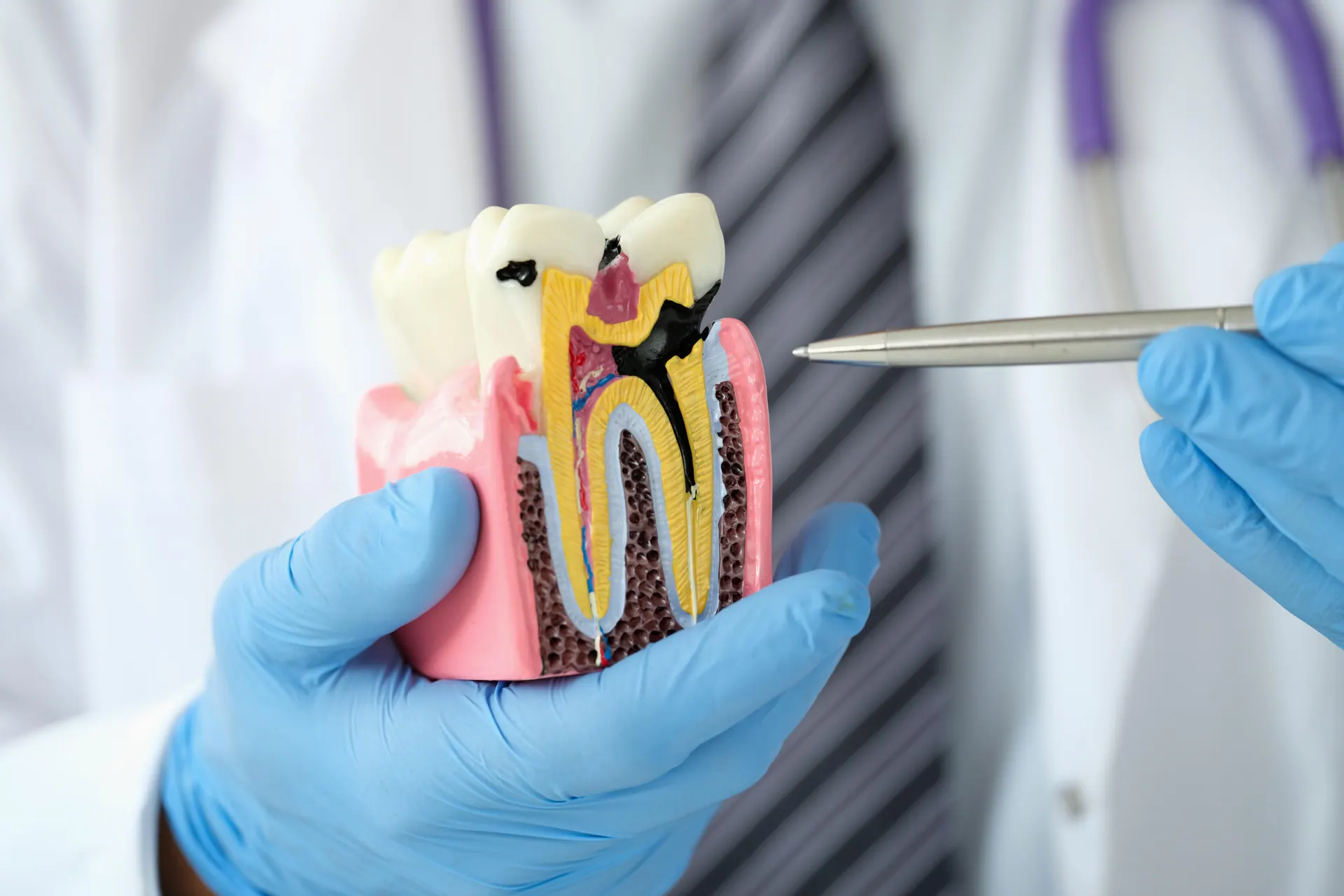
When performed by an experienced specialist with suitable materials, bone grafting has a very high success rate. In some cases, though, infection, incomplete fusion or displacement of the graft material may occur. Careful surgical technique, sterile practice and choosing the right type of graft play a very important part in the final result. Choosing a reputable centre and a skilled specialist keeps the risk of complications to a minimum and assures the quality of treatment.
Aftercare following a bone graft
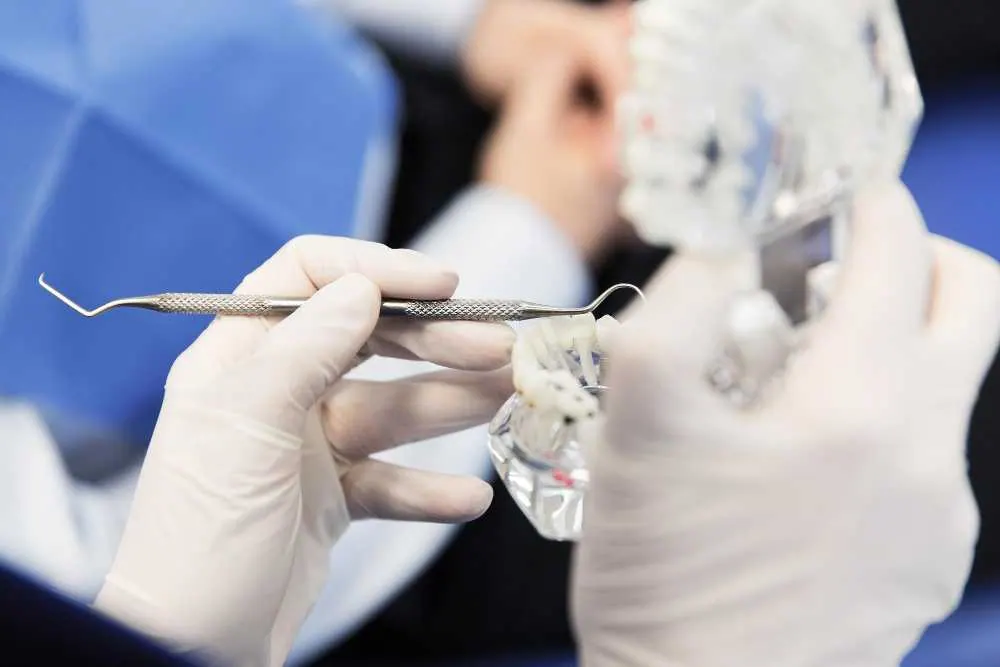
After a bone graft you may have swelling, a feeling of pressure or mild pain, which is controlled with the prescribed medication. For the first few days avoid hard food and chewing on the operated area. Keeping your mouth clean with a soft brush and a special mouthwash is very important to prevent infection.
Dr. Ebadian's Clinic
If you want to correct your teeth and smile in the best possible way, a bone graft consultation can determine the most suitable treatment for you.
Frequently Asked Questions
+−Is a bone graft painful?
The surgery is performed under anaesthetic and usually involves little pain. Some swelling and mild discomfort afterwards is normal and is controlled with medication. Following the aftercare instructions helps reduce symptoms.
+−How long does the graft take to fuse?
It usually takes between three and six months for the graft to fuse completely with the jawbone. The exact time depends on the type of graft, the site and the patient's general health. Regular check-ups monitor the healing.
+−Can everyone have a bone graft?
Most people are suitable candidates, but gum problems, active infection or systemic disease may need treating first. A specialist assessment will determine which grafting method suits you.
+−What types of bone graft are there?
A graft can come from the patient's own bone, from human or animal sources, or be synthetic. The type is chosen according to the amount of bone loss, the site and the result expected. The specialist will choose the best option.
+−Can an implant be placed immediately after a bone graft?
In some cases the graft and the implant can be done at the same time, but often it is necessary to wait a few months until the graft has fully fused with the jawbone. The final decision depends on the condition of the bone and the quality of the graft.